Eagle Rock Rise

Fall down. Get up. Keep walking.

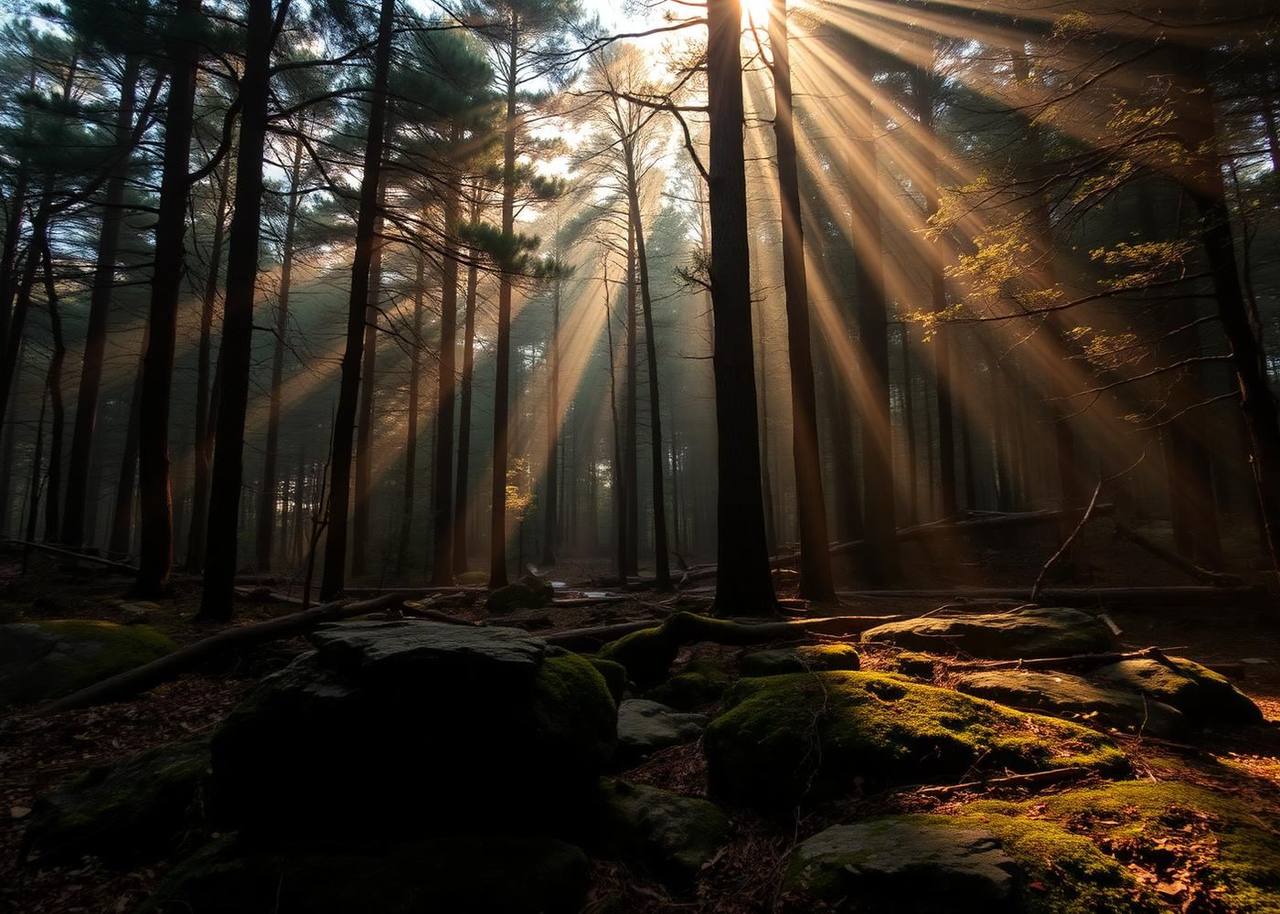
Backpackers on a misty mountain ridge at sunrise, Ouachita National Forest

A Fall 7 Rise 8 Ministry Experience

Eagle Rock
Rise — 2026 Men's Wilderness Ministry Backpacking Trip on Eagle Rock Loop, Arkansas

Fall down. Get up. Keep walking.

November 10–12, 2026 · Eagle Rock Loop · Ouachita National Forest, ArkansasFree to attend. No offering. No upsell. Just brotherhood, wilderness, prayer, and the trail.

Free to attend · No offering · No upsell

Nov 10–12, 2026
Eagle Rock Loop
Ouachita NF, Arkansas
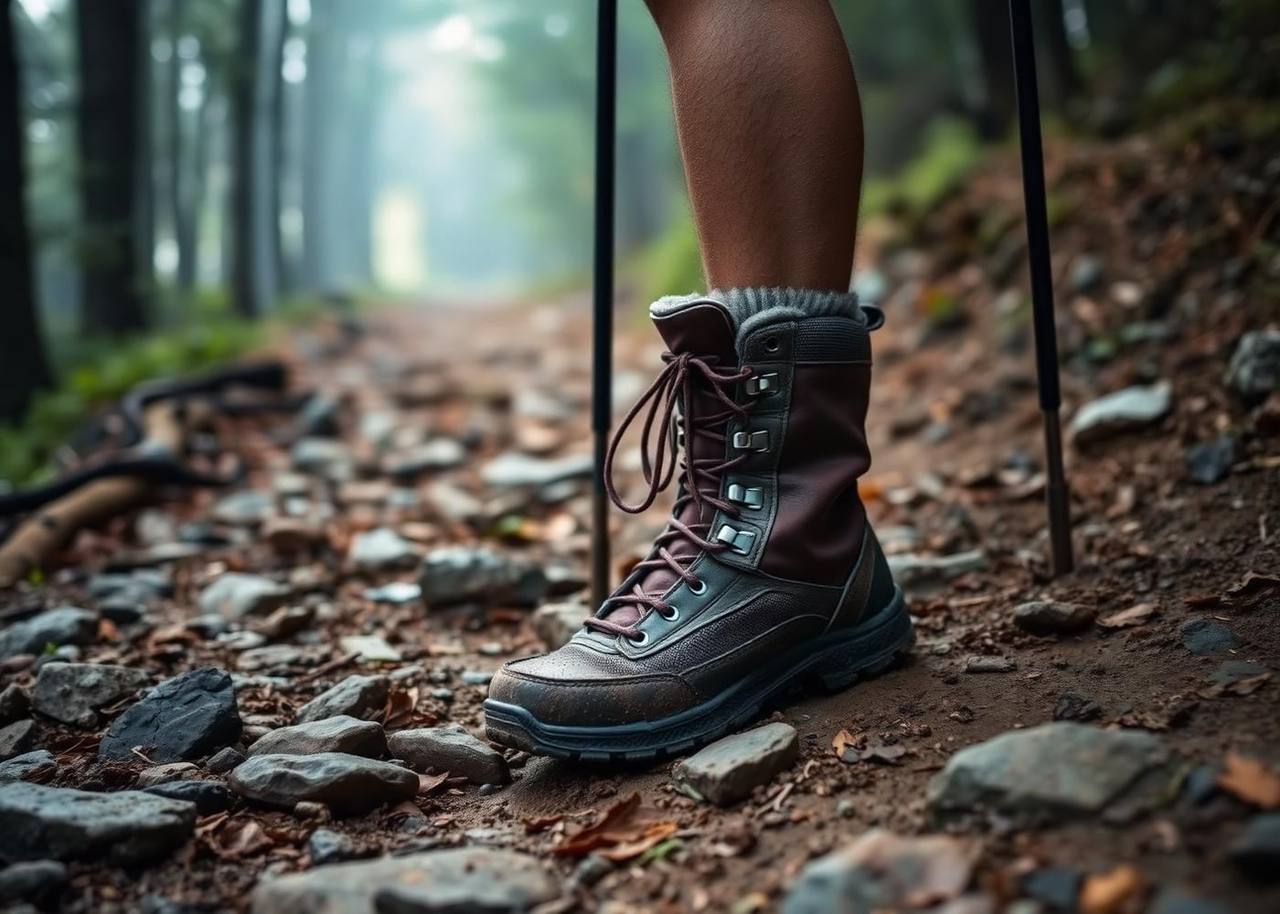
Worn hiking boots on a rocky trail

The Truth About This Trip

This is not just
a hike.

This is not a retreat with folding chairs and catered lunch. This is miles under a loaded pack, river crossings, mountain climbs, cold mornings, campfire Scripture, prayer, and brotherhood.

Eagle Rock Rise is a yearly wilderness experience for men who are willing to prepare, endure, and rise.

Endure the trail. Encounter the King.

No Strings Attached

No Charge.
No Offering.
No Upsell.

Eagle Rock Rise is completely free.

There is no charge to attend.
There is no offering expected.
There is nothing for sale.
There is no upsell, funnel, coaching program, or hidden pitch.

You are responsible for your own gear, food, transportation, and personal preparation, but the trip itself is free.

This is simply a yearly wilderness backpacking experience for men to seek Jesus Christ, build brotherhood, endure the trail, and encourage one another to rise again.

2026 Trip Details

The Essentials

Dates

November 10, 11, 12, 2026

Days

Tuesday · Wednesday · Thursday

Location

Eagle Rock Loop, Ouachita NF, Arkansas

Trailhead

Winding Stairs Trailhead

Distance

Approx. 26.6 – 29.1 miles

Cost

Free

Contact

Felipe Soares · 214-284-1733

Comms

No cell service · Satellite phone for emergencies

Scout Report

The trail does not negotiate.

50lb

Pack Weight

29.1mi

Total Miles

15:35hr

Hike Time

3,986ft

Elevation Gain

4

Serious Climbs

41%

Steepest Grade

Actual Trail Footage

Real tracking from Felipe's scout — pace, split, and time.

This is the trip's actual tracking video from the last time we were out there. What you see is real-world data: current pace, moving split, elevation, and elapsed time as the miles ticked by. Watch it before you pack — it'll tell you honestly what your body is signing up for.

Silent · Real-time overlay · ~5:27 loop

Felipe completed the route solo with Roo, his dog, to scout the trail, campsites, terrain, pace, and conditions for the group. The report was simple: beautiful, powerful, and very difficult. This is not a picnic walk. Prepare accordingly.

3 Days · 2 Nights on the Trail

The Itinerary

Day 01

Tuesday · Nov 10, 2026

Roll Out · Hike In · Set Camp

Objective

Travel from Dallas to Eagle Rock Loop, hike into the wilderness, and establish camp before dark.

Expected Conditions

Mostly travel in the morning. Afternoon hiking on moderate terrain with a loaded pack. Temperatures can shift from warm midday to cool after sunset. First water sources available within a few miles.

Meals

Breakfast on your own. Lunch on the road (self-provided). Dinner at camp.

Prayer & Brotherhood

Trailhead prayer to consecrate the trip. Evening campfire for introductions, Scripture, and prayer over the days ahead.

Schedule

  • 5:00 AMFinal gear check and load vehicles
  • 7:00 AMMeet at Buc-ee's, Melissa, TX (1550 Central Expy, Melissa, TX 75454)
  • 7:30 AMCarpool / convoy roll-out toward Arkansas
  • 12:00 PMLunch stop on the road (each man provides his own)
  • 1:00 PMArrive at Winding Stairs Trailhead, organize packs, pray at the trailhead
  • 1:30 PMBegin hiking into Eagle Rock Loop
  • 5:00 PMTarget camp setup — stop with one hour of daylight to spare
  • 6:00 PMDinner at camp, water filtering, and camp chores
  • 7:30 PMFirst-night prayer, introductions, and shared intention around the fire
Day 02

Wednesday · Nov 11, 2026

The Climb · The Long Day

Objective

Cover the longest and most demanding miles of the loop, including the major mountain climbs, river crossings, and the heart of the brotherhood experience.

Expected Conditions

The hardest day. Expect steep climbs, technical rock, multiple water crossings, and a heavy pack for 12–14 miles. Start early to use cooler hours and finish before sunset.

Meals

Breakfast at camp. Trail lunch (self-prepared). Dinner at camp.

Prayer & Brotherhood

Morning prayer before the hardest miles. Midday Scripture stop. Campfire exhortation, open brotherhood discussion, and prayer at night.

Schedule

  • 5:30 AMWake up, pack gear, breakfast at camp
  • 6:00 AMMorning prayer and day-two sendoff
  • 6:30 AMStart hiking (sunrise ~6:45 AM)
  • 9:30 AMShort water / snack break; check in on pace and fatigue
  • 12:00 PMTrail lunch and Scripture reading at a scenic stop
  • 3:00 PMAfternoon push through the hardest climbs
  • 5:00 PMArrive at camp with daylight remaining
  • 6:00 PMDinner, rest, and recover around camp
  • 7:30 PMCampfire exhortation, open discussion, confession, and prayer

Day 03

Thursday · Nov 12, 2026

Finish · Circle Up · Return

Objective

Complete the remaining miles of the loop, close the trip with a brotherhood circle, and travel back to Dallas.

Expected Conditions

Final morning miles with tired legs and a lighter pack from consumed food. Cool start, warming as the sun rises. Final water crossings and forest trail before the trailhead.

Meals

Breakfast at camp. Trail lunch (self-prepared). Dinner at Big Squash on the return drive.

Prayer & Brotherhood

Morning prayer and thanksgiving. Closing brotherhood circle at the trailhead to share what God did and send each man home encouraged.

Schedule

  • 5:30 AMWake up, breakfast, and final camp breakdown
  • 6:00 AMMorning prayer and thanksgiving for the journey
  • 6:30 AMStart the final leg toward the trailhead
  • 10:00 AMTarget trailhead arrival and final brotherhood circle
  • 10:30 AMLoad vehicles, clean up, and depart for home
  • 1:00 PMLunch at Big Squash on the road back
  • 4:00 PMReturn to Dallas area, Lord willing

Sunrise is expected around 6:45–7:00 AM. Sunset is expected around 5:30–6:00 PM. All times are flexible and subject to trail conditions, weather, and group pace.

Physical Readiness

You'll need
your strength.

You must be able to hike at least 10 miles per day with your pack fully loaded. If you are out of shape, start training now. The mountain does not care about good intentions.

Mandatory for first-timers

10-Mile Trial Hike · Erwin Park, McKinney

  • · Bring your full pack, boots, and every tool you plan to carry on the trip
  • · If you have never backpacked before, completing one trial hike is required for clearance
  • · Full schedule, video, and location below
See the trial hike schedule
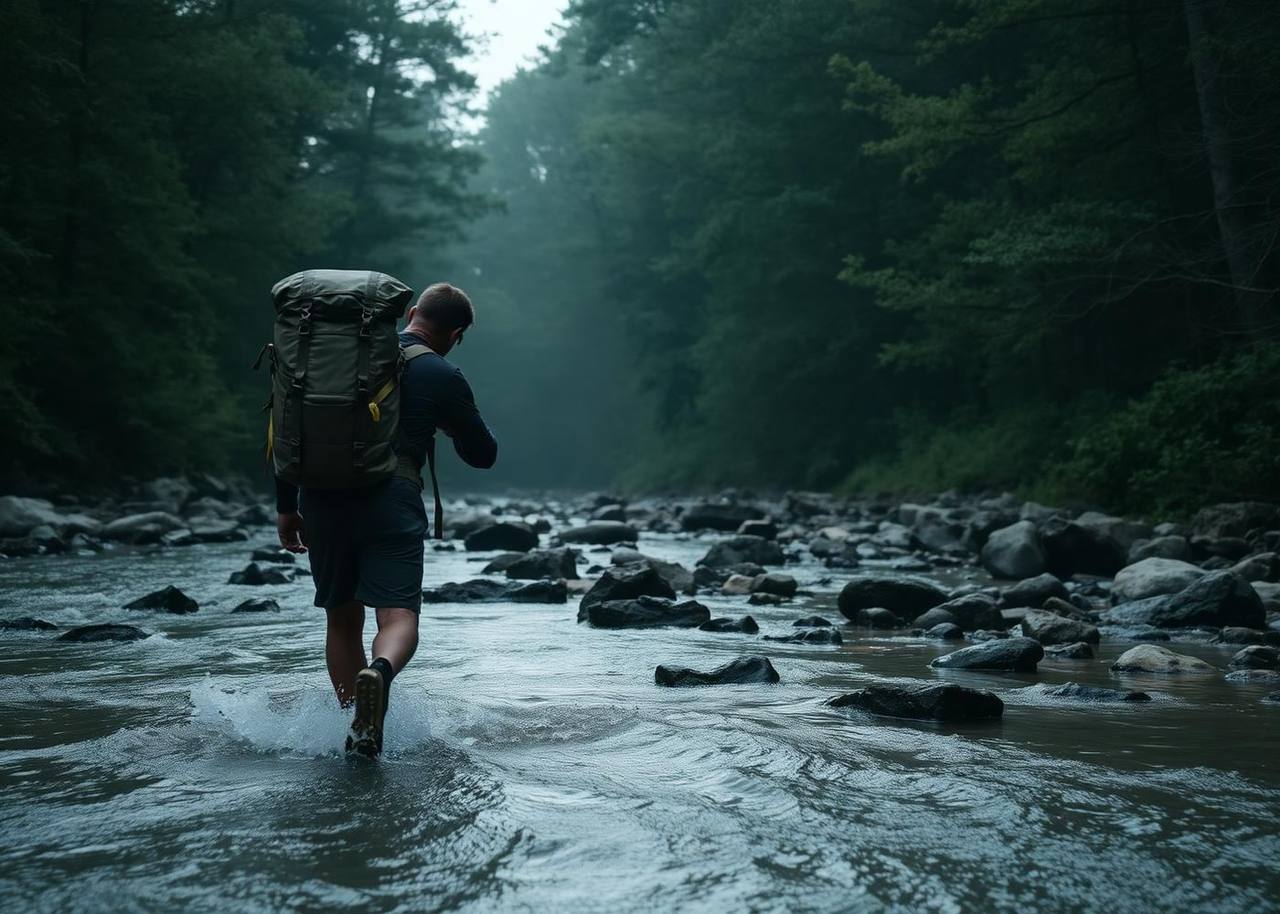
Backpacker crossing a rocky river with a loaded pack

Trial Hikes · Erwin Park

Train now.
Bleed less on the mountain.

Great morning warriors. We had a great trial hike on May 23 — muddy, challenging, and exactly what we needed. About 4 hours on the loop. "The more you bleed in training, the less you bleed in battle." That is the whole point. We train now so we are ready later. Boots on. Pack loaded. Mind sharp. No excuses.

Trial hike · May 23, 2026 · Erwin Park

Location

Erwin Park

4300 County Road 1006
McKinney, TX 75071

10-mile loop

Saturdays · 10:00 AM after MM

Full pack required

Open in Maps

Save the dates

Upcoming trial hikes

May 23, 2026

Completed

Muddy, challenging, and exactly what we needed. About 4 hours. Joe Ndua showed up and killed it.

August 1, 2026

Upcoming

Save the date. Boots on. Pack loaded.

September 26, 2026

Upcoming

Second window before the trip. Bring your full kit.

October 31, 2026

Upcoming

Final trial hike before Eagle Rock Rise. Last chance for clearance.

Required for clearance

If you have never backpacked, one trial hike is mandatory.

Eagle Rock Loop is not the place to find out your boots do not fit, your pack is too heavy, or your legs give out at mile six. If you are inexperienced or have never carried a loaded pack on real trail, completing at least one of the trial hikes above is required to join the trip. It is on us to make sure every man is prepared. Sending someone into the Ouachitas unprepared is irresponsible — and it can ruin the trip for the whole team.

Fitness prep

Get your body ready

  • Ruck 3–5 miles, 3× per week, with 25–35 lb in your pack
  • Add one long ruck of 8–10 miles every weekend
  • Strength: squats, lunges, step-ups, deadlifts, farmer carries
  • Zone-2 cardio 2× per week (fast walk, incline treadmill, easy jog)
  • Break in your boots on real trail, not the sidewalk
  • Sleep, hydrate, cut the junk — this is the training block

Equipment to test

Shake down your kit

  • Backpack (50–65L) with hip belt properly fitted and loaded to trip weight
  • Broken-in trail boots — the ones you will wear on the mountain
  • Trekking poles (strongly recommended for water crossings)
  • Rain shell and pack cover
  • Water bladder or bottles (minimum 2L capacity) and filter
  • First aid kit, headlamp, whistle, knife, fire starter
  • The exact socks, base layers, and snacks you plan to use on Eagle Rock Loop

Let's keep sharpening the blade, gentlemen. The mountain is not going to care how busy we were.

Rules · Guidelines · Intent

The code we walk by.

01Be physically prepared
02No drugs and no alcohol
03Bring all required gear
04Once we are in, there is no easy exit
05Pray in and pray out daily
06Nightly Scripture and exhortation around the campfire
07Stay alert at all times
08Take water crossings slowly
09Trekking poles strongly recommended
10Stay together as a group
11No solo wandering — accountability buddy required
12Remain flexible — plans may change
13Be prepared for rain, cold, dehydration, cramps, injuries, or emergencies
14First aid kit and emergency blanket are mandatory

Trail & Terrain

Where the wild lives.

Eagle Rock Loop
Ouachita National Forest, Arkansas
Winding Stairs Trailhead
34.36600, -93.90205
Multiple water crossings
Large rocks and technical footing
Steep climbs and descents
Isolated wilderness · little to no cell service

Risk & Readiness

Safety & Emergency Plan.

The wilderness is beautiful and unforgiving. Every man should know the plan before we step onto the trail.

Severe Weather

Thunderstorms, lightning, hail, and flash floods are the most common backcountry threats on Eagle Rock Loop.

  • At the first sound of thunder, assess the 30-30 rule: if lightning is within 30 seconds of thunder, move off exposed ridges and summits immediately.
  • Seek lower ground and uniform tree cover. Avoid isolated trees, metal objects, and creek beds during a storm.
  • Spread the group apart to reduce multi-casualty risk; keep eyes on every man and call out status checks.
  • If hail or heavy rain hits, put on full rain gear, protect your pack, and use trekking poles for slick rock.
  • Flash floods can rise without warning. If a crossing becomes muddy, roaring, or debris-filled, stop and wait upstream — or turn back to the last safe bank.
  • Watch for hypothermia signs: uncontrolled shivering, confusion, slurred speech, or clumsiness. Stop, change into dry layers, shelter, and warm with food and movement.
  • Felipe has final authority on shelter-in-place, route changes, or turn-back decisions. Follow his lead without debate.

Water Crossings

Eagle Rock Loop has multiple creek and river crossings. Crossings are one of the highest-risk moments of the trip.

  • Always cross as a group. Never cross alone or out of sight of the team.
  • Use trekking poles for three points of contact. Unbuckle your hip belt and sternum strap before entering the water so you can shed the pack if you fall.
  • Face upstream and shuffle sideways, testing each foothold before committing your weight.
  • If the current is strong, water is above mid-thigh, or the bottom is invisible and uneven, do not cross. Find a wider, shallower, or slower spot upstream.
  • After rain, crossings can swell quickly. What was safe in the morning may be dangerous by afternoon — reassess every crossing on the return leg.
  • If a man goes down, the nearest teammate secures him first; the group stabilizes the pack and moves everyone to the nearest safe bank before continuing.

Emergency Communications

Cell service on Eagle Rock Loop is unreliable to nonexistent. Plan on being off-grid the entire trip. We carry a satellite messenger for check-ins and true emergencies.

  • Assume zero cell coverage from the Winding Stairs Trailhead onward. There is no reliable signal at camp, on the ridges, or in the river valleys.
  • The trip leader carries a Garmin inReach (or equivalent) satellite messenger with an active subscription and fresh batteries, plus a spare power bank.
  • Scheduled satellite check-ins go out twice a day — morning before we hike and evening at camp — with location and a short status message to a designated home contact.
  • The home contact relays those check-ins to families. If a scheduled check-in is missed by more than a few hours, they follow the written escalation plan (wait, then call the trip leader's emergency contact, then call local search-and-rescue).
  • Two-way satellite messaging is reserved for logistics and safety updates — not casual conversation. Battery and message credits must last the whole trip.
  • The SOS button is only for life-threatening emergencies: serious injury, unresponsive man, lost hiker after search, or weather that traps the group. Pressing SOS dispatches search-and-rescue and cannot be undone lightly.
  • If you get separated, stop moving, blow your whistle three sharp blasts, and stay put. The team returns to the last known point and works forward — do not wander looking for signal.
  • Every man carries a whistle, a headlamp, and a basic first-aid kit as personal backups. Do not rely on the satellite device as your only safety net.

Communication Timeline

  • Before roll-outEvery man texts his family with the trip dates, home-contact name and number, and a copy of this plan. Emergency contact on file is confirmed.
  • At the trailheadFinal cell-service check-in from Winding Stairs. Group photo and "going dark" message sent from the leader's phone before we lose signal.
  • On the trailMorning and evening satellite check-ins with GPS location and status. The home contact relays each check-in to families the same day.
  • Missed check-inHome contact waits a set window, then calls the trip leader's emergency contact. If still no word, they notify Montgomery County (AR) search-and-rescue with our route and last known location.
  • Off the trailAll-clear message sent from the leader's phone once we regain cell service on the drive home. Families should not expect real-time updates in between.

Emergency Contact

Trip leader: Felipe Soares · 214-284-1733. Use this number before the trip and share it with your family as the primary point of contact while you're on the trail. On the trail, follow the satellite and whistle protocols above.

Reminder: no news from the trail is not bad news. Satellite messages are short, scheduled, and battery-limited. Trust the plan and wait for the next check-in window.

Conditions & Decision Making

Weather changes. Plans adapt.

Eagle Rock Loop in November is beautiful, but it is unpredictable. Temperature, rain, and river levels drive every safety decision we make. Here is what to expect and how we decide when to keep going, change course, or turn back.

Temperature Range

Early November in the Ouachita National Forest typically brings lows in the 40s and highs in the 60s. Be ready for cold mornings, warm midday stretches, and a quick drop after sunset. A cold snap can push lows into the 30s.

Rain & Wet Conditions

Fall rain is common and can turn creeks into higher, faster crossings. Rocks become slick, pack weight increases, and hypothermia risk rises when temps drop. Rain gear is not optional — it is survival gear.

Wind & Exposure

Exposed ridgelines and campsites can catch steady wind. Wind pulls heat away from wet clothing and tents. Expect gusts on climbs and choose shelter sites with wind protection in mind.

Cold-Weather Edge Cases

A hard late-autumn front can bring frost, sleet, or freezing rain. Gear for wet-cold conditions: insulated layers, dry bags, warm sleep system, and a plan to keep hands and feet functional.

Sun & Daylight

Sunrise is near 6:45 AM and sunset near 5:30 PM. That leaves about 11 hours of usable daylight. We plan miles around daylight, never assuming we can 'just finish in the dark.'

Trail Visibility

Low clouds, fog, and dense forest can obscure blazes and landmarks after rain. Everyone carries a whistle, map, and headlamp. We regroup often and never let a man fall behind out of sight.

How We Make Safety-Based Decisions

Felipe has final authority on all weather, route, and safety decisions. The group follows his direction without debate. If conditions change, we adjust together. No man is left to make the call alone.

Heavy rain or flood risk before departure

Delay or reroute the itinerary before we leave Dallas. No group enters the backcountry into a known flood or severe-storm warning.

Lightning or severe weather on the trail

Move off ridges, spread the group, find lower uniform cover, and wait. Felipe decides shelter-in-place vs. retreat to the last safe camp.

River crossings become unsafe

Do not cross. We look upstream for a wider, shallower option, or turn back to the last safe bank and adjust the route.

A man shows hypothermia, exhaustion, or injury signs

Stop immediately. Warm, hydrate, shelter, and assess. The group pace adjusts to protect the weakest man. The trail is not the boss — the team is.

Temperature drops harder than forecasted

Add layers, shorten exposed breaks, eat more calories, and consider earlier camp. Cold management is group management.

Go / No-Go Rule

We do not chase the original plan at the cost of safety. If the forecast, river levels, or group condition says the trip is unsafe, we postpone, reroute, or cancel. A delayed trip is better than a rescue. Every man agrees to this before we leave the trailhead.

River Levels & Water Crossings

Check the Little Missouri River before you go.

Water levels on the Eagle Rock Loop are driven by rain upstream. The best way to judge crossing safety is the Little Missouri River gauge near Langley, Arkansas.

Crossing rule: 4.5 feet

If the gauge reads above 4.5 feet, we do not cross. High water makes crossings like those near Winding Stairs and Viles Branch dangerous or impassable. Levels can rise quickly after rain, so check the gauge and the forecast right up to departure.

Interactive Checklist

Go / No-Go Checklist

Families and the team can run through this before departure. It does not replace the trip leader's final call — it helps everyone see the same picture.

No-Go

7 critical items not checked

0 of 12 checked

Weather

River crossings

Group readiness

Final authority belongs to the trip leader. Check in with Felipe if any item is unclear.

Weather & Conditions FAQ

Common weather questions.

Rain, cold, crossings, and the call to turn back. Here is how we think about it.

Every Ounce Preaches

Packing List

Packed: 0 / 760%
Critical: 0 / 270%

Highlight critical items

Filters stack — pick one or more to see items that matter for that condition.

Boots & Footwear

0 / 5

Do not overpack. Your backpack should not exceed 40–50 lbs. Every unnecessary ounce will preach to you on the mountain.

Open Print ViewView Amazon Gear Reference List

November 2023 Scout

See the Trail

Eagle Rock Loop forest trail path in Arkansas
Trail
Wilderness backpacking campsite at dusk
Camp
Backpackers wading through a rocky river crossing
Water Crossings
Steep Ouachita mountain ridgeline climb
Mountain Climbs
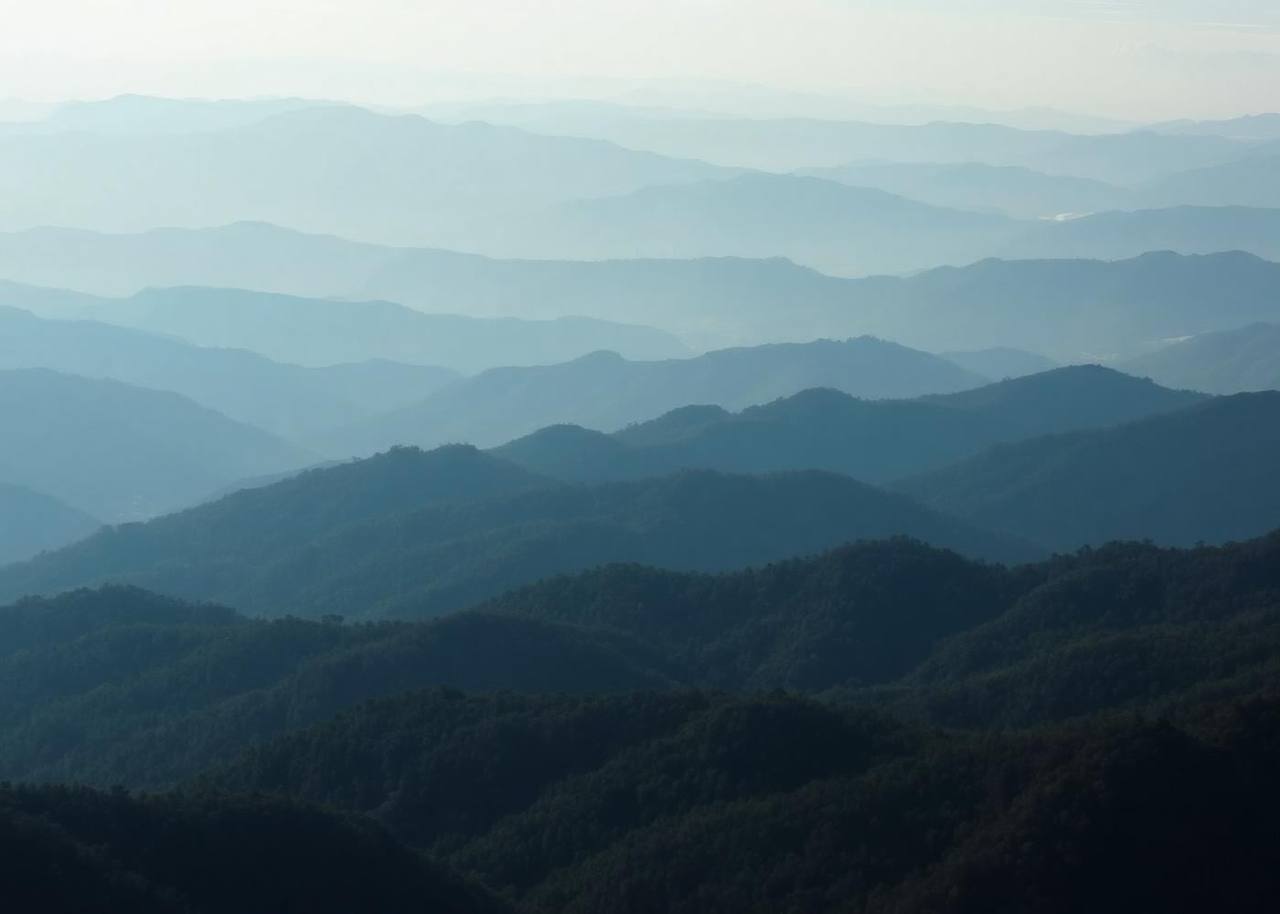
Misty Ouachita National Forest ridge at sunrise
Forest
Men praying together on the trail in brotherhood
Brotherhood

RSVP Your Interest

Step onto the trail.

Let us know you're interested. We'll follow up with the full trip details and the application form.

Free to attend · No offering · No upsell

No payment is required. This is a free trip under Fall 7 Rise 8 Ministry.

Ready to apply now? Fill out the full join request

The Mission

A Fall 7 Rise 8
Ministry Experience.

Eagle Rock Rise is hosted under Fall 7 Rise 8 Ministry. We believe the righteous may fall seven times, but by the grace of Jesus Christ, they rise again. This trip is built around endurance, brotherhood, prayer, Scripture, discipline, and worship in the wilderness.

"For a righteous man falls seven times, and rises again." — Proverbs 24:16

Frequently Asked

Questions

Join the Free Trip

Free · No offering · No upsell